“I have tried many massage centers, but only this one gives me a unique feeling. I think it is due to the unique massage techniques and good service attitude here.”
Nearby tourists
“Absolutely love this place. Everytime we come the therapist are Amazing! Recommend for recovery and just relaxation!! ”
Nearby tourists
“After finishing my daily work, I will often come here to relieve my exhaustion all day long, it is highly recommended! ! ”
Construction engineer
Contact us at the Consultec WP office nearest to you or submit a business inquiry online.
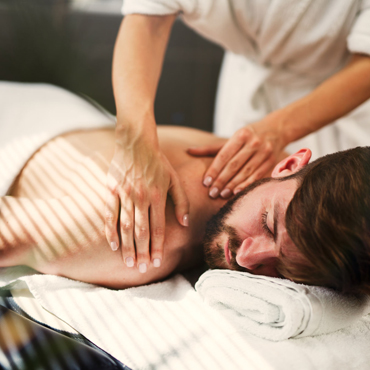
A full-body massage: soft music, low lighting, a feeling of tranquility—it’s bliss. But what most people don’t know is that while you might be in a state of total relaxation your body is going into full activation mode during a massage. A massage stimulates your nervous system; wakes up your muscles, organs, and glands; moves blood and lymph fluid, and gets multitudes of cells to produce and release chemicals and hormones.
Your body needs a massage to renew itself and reverse the effects of stress.
The slight friction of your massage therapist’s hands along with the massage lotion and oil causes gentle exfoliation, allowing fresh skin cells to emerge.
As you relax, your nervous system enters a “rest and digest” mode. If you have areas of pain and tension in your body, it’s possible that they are the result of pressure on nerves caused by tight muscles, and massage may relieve it.
A relaxed nervous system means that hormone production will balance out. Production of stress hormones such as corticosteroids (LDL) decreases, as “feel good” hormones like endorphins increase. Hormones that regulate sleep/wake cycles, menstrual cycles, immune cells, blood sugar, and even how much food you eat, all react positively to the relaxation that accompanies a full-body massage.
Your muscles are like sponges – when they contract, blood and lymph fluid are squeezed out, and when they relax fresh blood enters bringing fresh nutrition, oxygen, and immune cells. Your massage therapist may also incorporate stretching and range of motion movements into the massage, which mobilizes the joints and places beneficial tension on your muscles, ligaments, and tendons.
The lymphatic system is crucial to balance the fluid and the function of your immune system. Lymphatic vessels parallel blood vessels throughout your body and large groups of lymph nodes are found in the neck, armpits, and groin.
As your massage therapist works on flushing blood through muscle and tissue, they are also draining the lymphatic system, where the lymph nodes filter out dead cells, waste products, and possible pathogens. Sluggish lymph flow contributes to fluid retention, and draining the lymphatic system may reduce edema in certain parts of the body.
Did you know your bones also have a blood supply and receive the same advantages from massage as your muscles? Blood flow brings calcium and other minerals to your bones to support their strength and function, so your skeletal system receives a major boost from massage.
Did you know your bones also have a blood supply and receive the same advantages from massage as your muscles? Blood flow brings calcium and other minerals to your bones to support their strength and function, so your skeletal system receives a major boost from massage.
Stress takes a toll on the digestive system, and a full-body massage can have a very healthy effect on how your body process food and nutrients. The parasympathetic nervous system regulates your digestion, producing needed chemicals (like saliva, gastric juice, and insulin) and stimulates peristalsis, which moves food through your intestines.
Classic Swedish massage includes an optional abdominal massage that acts directly on your large intestine to regulate the final stages of digestion. When food moves smoothly through the digestive system your stomach, gallbladder, pancreas, and intestines work together for maximum nutrient absorption, which supports your overall well-being.
Since so much tension accumulates in shoulder, chest, and neck muscles, it’s no wonder that our breathing becomes restricted when we’re stressed. As you relax further into the massage and your breathing deepens and evens out, your massage therapist can work into tense muscles to reduce tightness in muscles that assist respiration. If you ask, your MT can also massage the intercostal muscles between the ribs that are important to natural and effortless breathing.